


Glass star beads, with their captivating allure and intricate design, have a rich and diverse historical tapestry. As a supplier of these exquisite beads, I've delved deep into their past uses, which span across cultures and epochs. In this blog, we'll embark on a journey through time to explore the various historical applications of glass star beads.
Ancient Origins and Decorative Purposes
The history of glass star beads dates back thousands of years. In ancient civilizations such as Egypt and Mesopotamia, glassmaking was a highly prized skill. Glass star beads were crafted with meticulous precision and were often used as decorative elements. They adorned jewelry, including necklaces, bracelets, and earrings, adding a touch of elegance and luxury.
These beads were not only valued for their aesthetic appeal but also for their symbolic significance. In Egyptian culture, for example, glass was associated with the gods and was believed to possess magical properties. Glass star beads, with their unique shape, were thought to represent the stars in the sky, symbolizing the connection between the earthly and divine realms.
In Mesopotamia, glass star beads were used in religious ceremonies and were buried with the deceased as a symbol of protection and prosperity in the afterlife. They were also traded along ancient trade routes, spreading their influence across different regions.
Medieval Europe and Heraldry
During the Middle Ages in Europe, glass star beads took on a new role in heraldry. Heraldry was a system of identifying individuals, families, and institutions through the use of symbols and emblems. Glass star beads were incorporated into coats of arms, banners, and other heraldic devices.

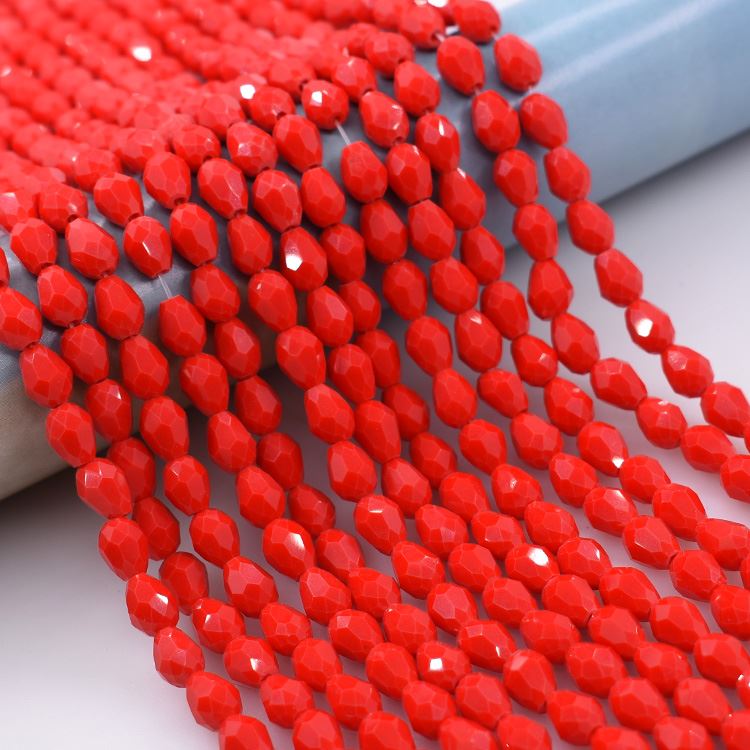
The star shape was a popular symbol in heraldry, representing qualities such as nobility, honor, and hope. Glass star beads added a touch of color and sparkle to these heraldic symbols, making them more visually striking. They were often used in combination with other materials, such as metals and fabrics, to create elaborate and intricate designs.
In addition to their use in heraldry, glass star beads were also used in the production of religious artifacts. They adorned chalices, crosses, and other religious objects, adding a sense of sacredness and beauty to these items.
Renaissance and the Art of Beadwork
The Renaissance period in Europe was a time of great artistic and cultural flourishing. Beadwork, in particular, became a popular form of art, and glass star beads played a significant role in this art form. Skilled artisans used glass star beads to create intricate patterns and designs on clothing, accessories, and home decor items.
One of the most famous examples of Renaissance beadwork is the Venetian glass beadwork. Venetian glassmakers were renowned for their expertise in creating high-quality glass beads, including glass star beads. These beads were used to create elaborate lace-like patterns on clothing, such as bodices and sleeves. The use of glass star beads added a touch of opulence and sophistication to these garments.
In addition to clothing, glass star beads were also used in the creation of jewelry and decorative objects. They were often combined with precious metals and gemstones to create stunning pieces of art. The Renaissance period saw a great demand for these luxury items, and glass star beads were at the forefront of this trend.
Native American Culture and Trade
In Native American culture, glass star beads had a long and important history. When European settlers arrived in North America, they brought with them glass beads, including glass star beads. These beads quickly became popular among Native American tribes, who incorporated them into their traditional art and culture.
Glass star beads were used in a variety of ways by Native American tribes. They were used to create jewelry, such as necklaces, bracelets, and earrings, as well as decorative items, such as dreamcatchers and totem poles. The star shape was often associated with the sky and the spirits in Native American culture, and glass star beads were believed to possess spiritual power.
Glass star beads also played a significant role in trade between Native American tribes and European settlers. They were used as a form of currency and were traded for other goods and services. The exchange of glass star beads helped to establish economic and cultural connections between the two groups.
Modern Uses and Contemporary Design
In modern times, glass star beads continue to be popular for a variety of uses. They are widely used in jewelry making, both by professional jewelers and hobbyists. Glass star beads come in a wide range of colors, sizes, and finishes, making them versatile and suitable for a variety of design styles.
In addition to jewelry making, glass star beads are also used in other crafts, such as bead embroidery, bead weaving, and beaded jewelry. They can be used to create intricate patterns and designs on clothing, accessories, and home decor items. The unique shape of glass star beads adds a touch of whimsy and charm to these projects.
As a supplier of Glass Star Bead, we offer a wide selection of high-quality glass star beads to meet the needs of our customers. Our beads are made from the finest materials and are available in a variety of colors and sizes. Whether you're a professional jeweler or a hobbyist, we have the perfect glass star beads for your next project.
We also offer other types of glass beads, such as Glass Drop Beads and Heart Shape Glass Beads, to provide our customers with a diverse range of options. Our goal is to provide our customers with the best quality products and the most exceptional customer service.
If you're interested in purchasing glass star beads or any other type of glass beads, please feel free to contact us. We'd be happy to discuss your needs and help you find the perfect beads for your project. Whether you're looking for a specific color, size, or style, we're here to assist you.
References
- "A History of Glass Beads" by Muriel McClendon
- "The Art of Beadwork" by Mary G. White
- "Native American Beadwork" by Lois Sherr Dubin


